
The gaming industry is undergoing a major transformation with the rise of cloud gaming. Once an experimental concept, it’s now a mainstream force reshaping game development and player experiences. However, even as technology evolves, some player habits remain constant; for instance, many competitive players still look for an edge and choose to Buy Cheats for Dead by Daylight to enhance their performance.
For developers, this shift toward the cloud presents new opportunities but also demands adaptation to evolving technologies, infrastructure, and user expectations. Understanding the differences between cloud gaming and traditional development is no longer optional — it’s essential.
Key difference: distribution and hardware
Traditional game development relies on hardware-based execution. Players purchase a console, gaming PC, or mobile device, install the game, and run it locally. Performance depends entirely on the player’s hardware, affecting frame rates, resolution, and accessibility.
Cloud gaming flips this model. Instead of running on a player’s device, games are executed on powerful remote servers, with the experience streamed to the user. This eliminates the need for high-end hardware, making advanced titles accessible to anyone with a basic laptop or smartphone.
However, this shift changes the landscape for competitive play; while server-side execution makes some exploits harder, players still seek an edge in titles like https://wh-satano.ru/en/cheats/dead_by_deadlight, often turning to specialized cheats to enhance their gameplay. For developers, this environment drastically expands their potential audience while simultaneously centralizing control over the gaming ecosystem.
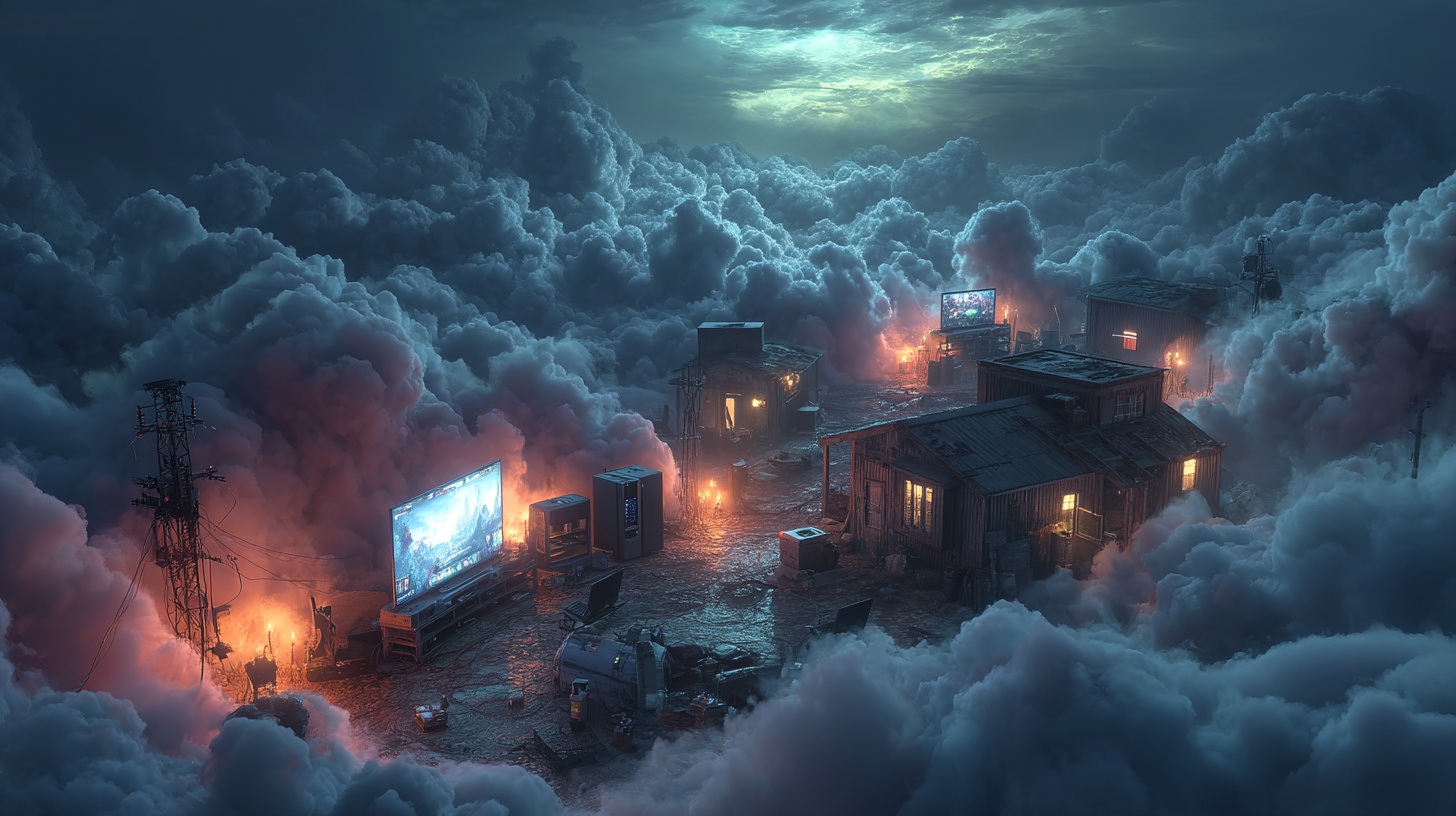
Development considerations for cloud gaming
While the distribution model is the most noticeable change, cloud gaming introduces technical challenges that developers must address:
Latency and responsiveness
Traditional games run locally, offering near-instant input response. In cloud gaming, every user action travels to a remote server and back, creating potential latency. Developers must optimize input systems, reduce bandwidth-heavy assets, and use predictive algorithms to minimize delays.
Scalable infrastructure
Unlike traditional games installed on individual devices, cloud gaming requires developers to manage thousands of concurrent sessions on remote servers. This demands careful infrastructure planning, dynamic scaling, and the ability to maintain stability during peak usage.
Instant updates and live services
Cloud gaming allows developers to push updates instantly to all players, eliminating the need for downloads or patches. However, this requires ongoing live support and a development team skilled in DevOps and LiveOps practices.
Cross-platform compatibility
Since cloud games can run on browsers, smart TVs, and mobile devices, developers need to design adaptable user interfaces and control schemes that work seamlessly across platforms.
Visual fidelity in cloud gaming
Cloud gaming raises the bar for visual quality. Since games are rendered on high-performance servers, developers can create stunning visuals without worrying about consumer hardware limitations. High-resolution textures, realistic animations, and detailed environments are now standard expectations. A strong game art portfolio is crucial for developers to showcase their ability to deliver premium visuals, as competition for player attention grows more intense.
Monetization and business models
Cloud gaming introduces subscription-based models, where players pay a monthly fee for access to a library of games. For developers, this offers predictable revenue through licensing agreements but also increases competition within subscription catalogs. Success may depend more on consistent engagement and player retention than on a single blockbuster release.

Traditional development challenges persist
Despite the rise of cloud gaming, traditional gaming isn’t disappearing. Many players still prefer local installations for offline access, better performance, or a sense of ownership. Developers must balance these preferences by offering both cloud and local options.
Traditional models still face challenges like piracy, hardware fragmentation, and high distribution costs. On the other hand, cloud platforms reduce piracy risks but introduce dependencies on server reliability and stable internet connections.
Preparing for the future
The future of gaming is evolving into a hybrid ecosystem, with some games thriving exclusively on cloud platforms and others blending local and streaming models. To stay competitive, developers should:
- Optimize server performance to address latency and scalability.
- Create adaptable user interfaces for cross-platform usability.
- Focus on high-quality visuals, ensuring assets are ready for 4K and beyond.
- Adopt LiveOps strategies for continuous updates and player engagement.
- Explore new monetization models, especially subscription-based approaches.
The shift to cloud gaming is a game-changer, offering developers new possibilities and challenges. By adapting to these trends, developers can thrive in this rapidly evolving industry.